Projects
Myelin’s highway to the axon
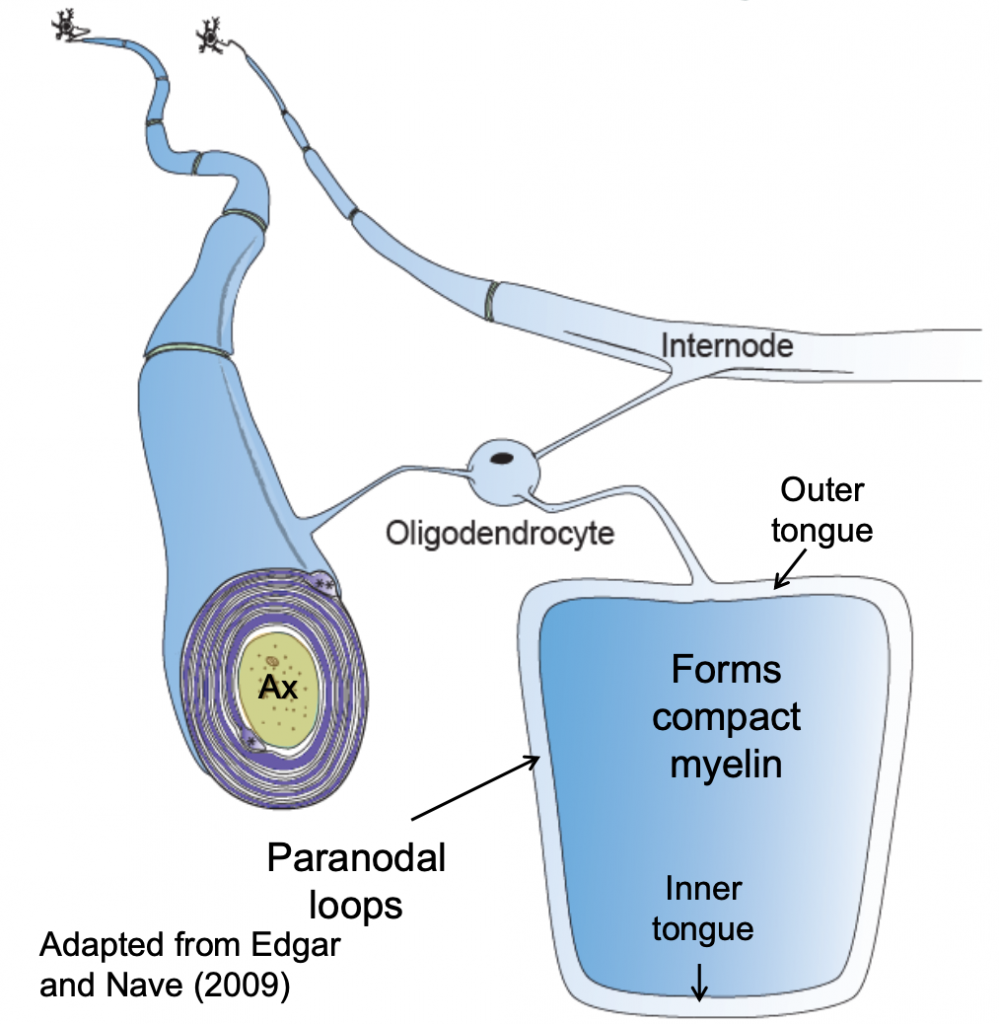
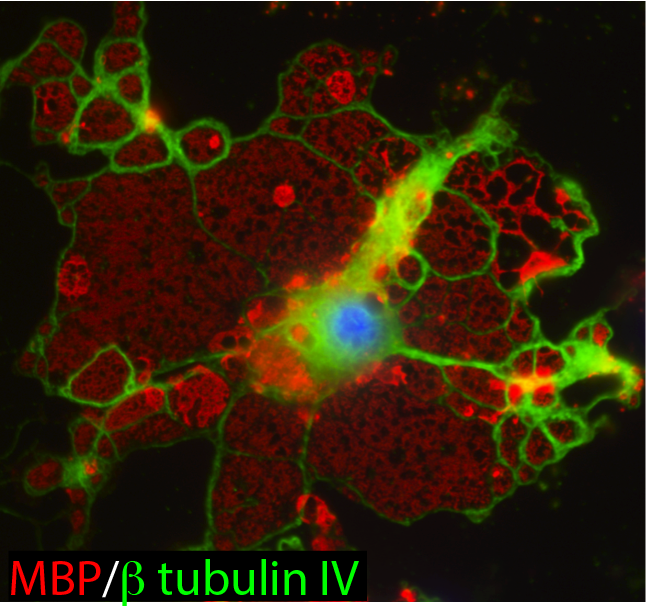
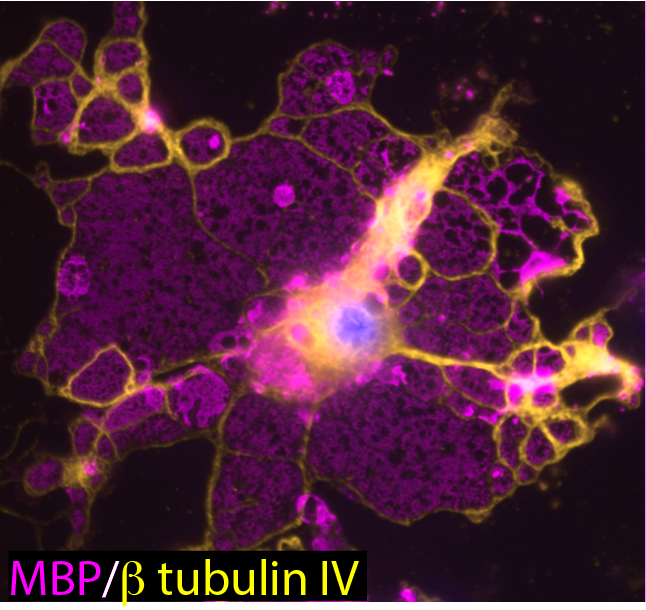
“We are interested in the function of the cytoplasm-filled space in myelin, as a route by which the myelinating cell effects trophic support for the axon. This work follows on from a series of publications beginning with Griffiths, Nave and colleagues in 1998 and Edgar, Griffiths, Nave and colleagues 2004.”
This work is conducted in collaboration with the Nave Lab at the Max Planck Institute for Multidisciplinary Sciences, Goettingen, Germany.
Schematic provided by Gemma Thomson.
Metabolic characteristics of oligodendrocytes
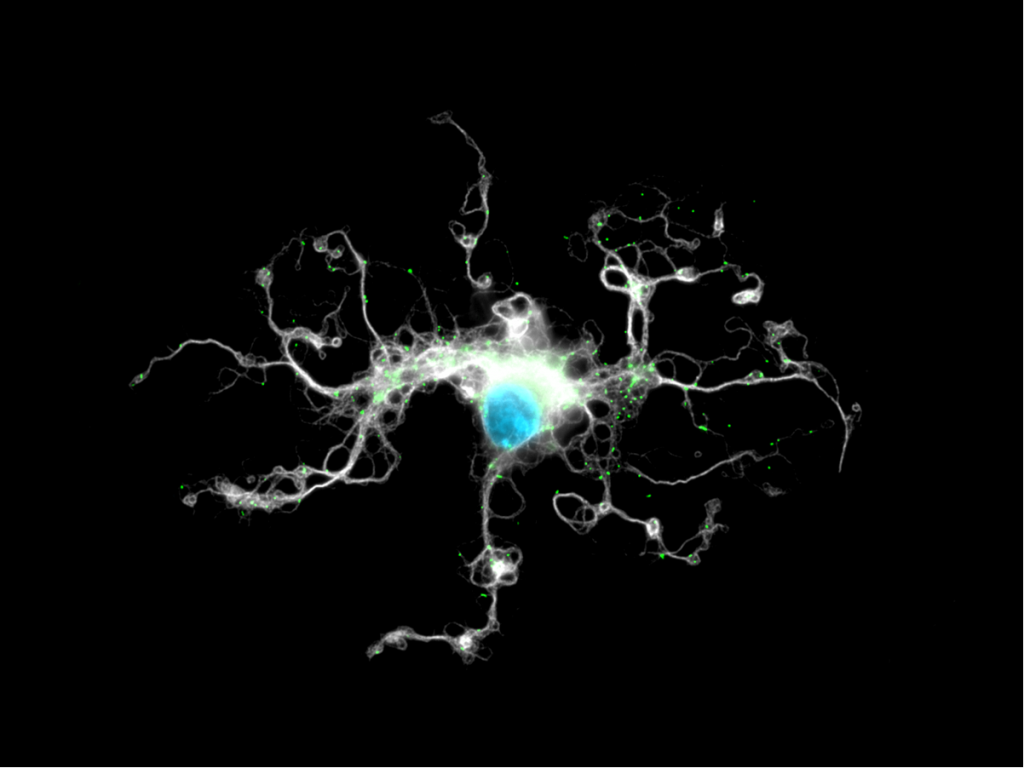
“Oligodendrocytes are the myelin forming cells of the central nervous system. They ensheath axons to provide insulation and crucial metabolic support. We know from the literature that post-myelination oligodendrocytes are glycolytic cells that, in principle, can survive by glycolysis alone. As glycolysis per se does not require oxygen, post-myelination oligodendrocytes should, in principle, not require oxygen for energy production. However, in models of hypoxic neuroinflammation the myelinating oligodendrocyte is particularly susceptible. We carry out experiments to understand oligodendrocyte metabolism using tools such as primary CNS cell culture, cell-type enriched cultures, live imaging, immunocytochemistry, real-time quantitative PCR, and lipid analysis.” – Colin Crawford, PhD Student
Funded by SPRINT-MND/MS, 3-year PhD studentship, 2017-2020.
Protecting oligodendrocytes from viral infection
Progressive multifocal leukoencephalopathy (PML) is a potentially fatal side-effect of some multiple sclerosis therapies. PML is caused by infection of oligodendrocytes by John Cunningham virus. This project aims to identify oligodendrocyte intrinsic anti-viral factors that could protect this cell type while allowing patients to continue taking disease modifying therapies that suppress the inflammatory events associated with multiple sclerosis – Alistair Gamble, PhD Student.
Funded by the MS Society.